The Science of Glass Packaging: Transforming Your Brand Through Eco-Friendly Glass Bottles
The craft of glass packaging presents brands with a unique avenue for differentiation. Via eco-friendly approaches, glass bottles improve aesthetic presentation while resonating with environmentally aware consumers. Their natural characteristics, encompassing recyclability and material safety, demonstrate a steadfast commitment to excellence. As organizations traverse this shifting terrain, grasping the diverse advantages and obstacles of glass packaging is critical for sustained growth. What forward-thinking methods are companies adopting to fully harness these opportunities?
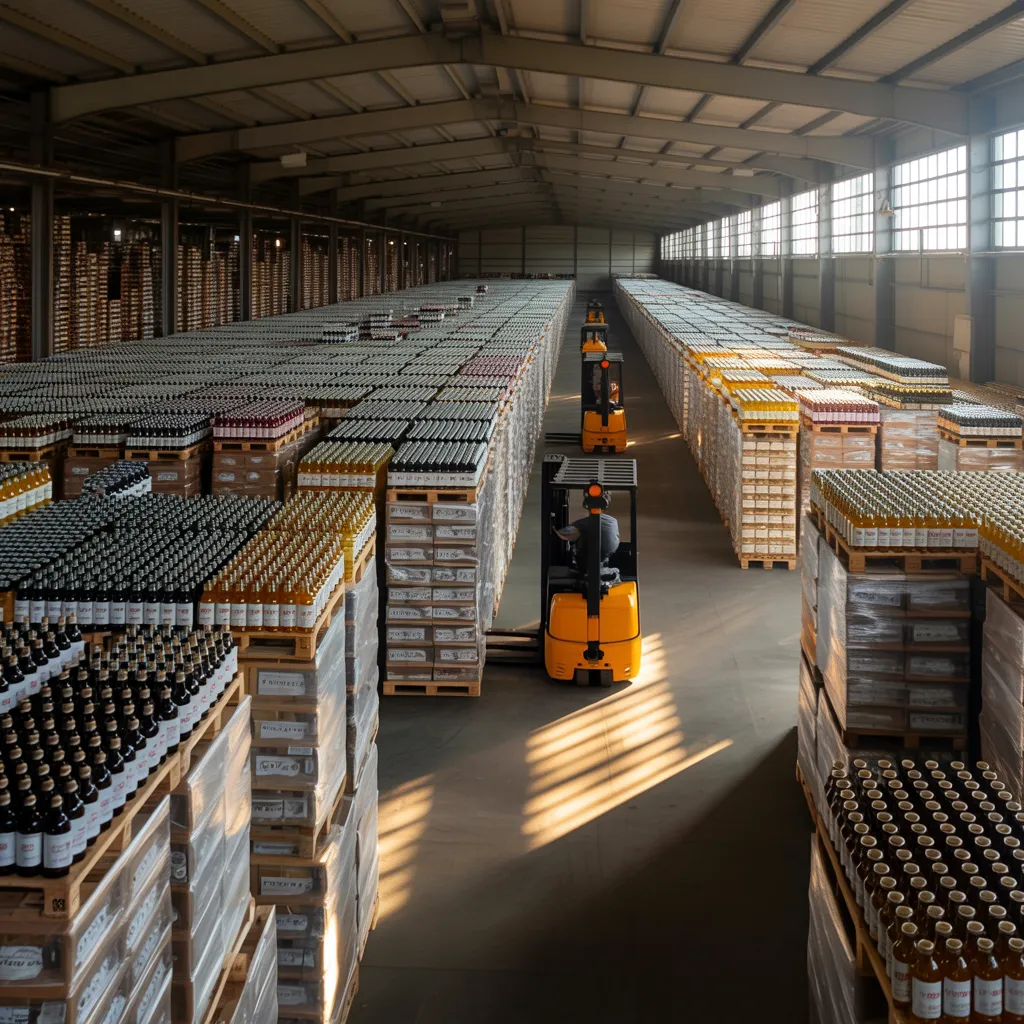
What Makes Glass Packaging the Right Choice for Your Brand
Choosing glass packaging can considerably elevate a brand's overall perception and sustainability efforts. Brands that opt for glass demonstrate a commitment to quality and premium experiences, appealing to discerning consumers who recognize the importance of design and utility. Glass delivers a enduring and sophisticated look, contributing to a brand's visual identity while providing a sensory experience that no alternative material can equal.
Additionally, glass packaging conveys an impression of cleanliness and act now security, as it is free from toxic substances commonly present in plastic materials. This option can draw in sustainability-minded buyers who connect glass with ethical choices. Furthermore, its durability allows for repeat use, additionally affirming a brand's devotion to sustainable principles.
In a market growing more conscious of environmental impact, embracing glass packaging solutions can set a brand apart building lasting loyalty and boosting customer confidence. At its core, this deliberate decision places brands at the forefront of quality and environmental responsibility, resonating with contemporary consumer expectations.
The Eco-Friendly Advantages of Glass Bottles
Glass bottles present considerable ecological advantages that differentiate them from alternative packaging options. These containers are 100% recyclable, promoting a sustainable economy where materials can be reused indefinitely without degradation in quality. This property greatly reduces the reliance on virgin materials, thereby minimizing natural resource extraction and energy consumption linked to manufacturing.
Furthermore, glass packaging is inert, meaning it does not seep harmful chemicals into its contents, ensuring safer consumption. Unlike plastic, glass does not add to microplastic pollution, which is a mounting environmental issue.
The manufacturing of glass bottles also generates reduced greenhouse gas emissions compared to plastic alternatives. As manufacturing processes have advanced, energy efficiency has significantly improved, further reducing the carbon footprint associated with glass production.
Creative Designs That Elevate Glass Packaging
Unique aesthetics in glass packaging are revolutionizing how items are presented. Unique shapes and structures not only improve usability but also capture buyer interest. Furthermore, vibrant color schemes further elevate the aesthetic appeal, making glass containers distinguish themselves in retail spaces.
Exceptional Shapes and Structures
Innovative solutions in glass-based packaging not only improve visual attractiveness but also act as a key factor in establishing brand uniqueness. Unique shapes and structures can produce unforgettable customer interactions, enabling products to capture attention on crowded shelves. As an example, bottles with asymmetrical shapes or geometric patterns can generate fascination and stimulate consumer interest. These unique configurations often reflect a brand's personality, supporting its overarching mission and beliefs. Moreover, distinctive structures can elevate performance, like more comfortable use or superior flow. Organizations that embrace creative glass packaging solutions project a strong focus on superior quality and green practices, appealing to sustainability-minded customers. Through emphasizing creativity in their packaging choices, companies can foster deeper connections with their audience, in turn promoting long-term loyalty and broadening their market reach.
Eye-Catching Color Palettes
Vibrant color palettes serve a vital function in elevating glass packaging design, transforming ordinary bottles into enchanting visual statements. Through the thoughtful application of carefully selected colors, companies can stir feelings and craft lasting impressions for customers. Bold colors can signify premium quality, while softer tones may convey delicacy and sophistication.
Moreover, the use of multi-toned designs and gradients creates depth and visual interest, drawing attention on crowded shelves. Sustainability-driven practices further elevate the attractiveness; sustainable dyes and finishes appeal to environmentally aware consumers. In the end, the perfect color palette not only reflects a brand's identity but also reinforces its commitment to sustainability, positioning glass packaging as a compelling differentiator in a competitive marketplace.
How Does Glass Packaging Enhance Product Perception?
Glass packaging notably improves how products are perceived through its premium feel and appeal, instilling a sense of elegance in consumers. The natural clarity and see-through quality of glass provide a clear and unimpeded view of the contents, strengthening the perception of quality. Moreover, choosing glass complements sustainable brand positioning, attracting consumers who prioritize environmental responsibility.
Exceptional Feel And Appeal
The use of glass packaging significantly enhances the perceived value of a product, commonly connecting it with quality and sophistication. Buyers commonly connect glass with high-end appeal, contributing to stronger brand dedication and rewarding buyer experiences. The sensory quality of glass, with its sleek finish and substance, creates a premium feel that plastic is unable to match. This sensory engagement establishes a bond between the product and the consumer, fostering a perception of excellence. Moreover, glass packaging reflects a focus on sustainability, attracting environmentally-conscious buyers. Consequently, businesses employing glass containers can position themselves as premium options within their markets, appealing to thoughtful consumers who appreciate both style and sustainability in their consumer decisions.
Visual Clearness And Transparency
When shoppers come across products in glass containers, their experience is commonly improved by the natural visual openness and clearness it offers. This clarity permits interested shoppers to observe the item inside, fostering a sense of trust and authenticity. The transparency of glass not only displays the product's excellence but also emphasizes its hue and texture, boosting aesthetic attractiveness. Moreover, the removal of labeling interference on clear glass enables the product to stand at the forefront, producing a more captivating retail encounter. Glass packaging can elevate brand perception by conveying a commitment to quality and craftsmanship. This see-through quality ultimately guides customer determinations, encouraging a deeper emotional connection with the product and the brand.
Green Brand Positioning
Sustainability-focused brands utilize glass packaging to strengthen their dedication to eco-friendly practices, meaningfully improving the way consumers view their products. Glass conveys a sense of quality and purity, defining a loftier benchmark when measured against plastic counterparts. This material not only emphasizes the ecological values of a brand but also resonates with shoppers who value eco-conscious decisions. The sensory quality of glass—its density and surface—further amplifies the perceived premium nature of the product. Moreover, the ability to recycle glass resonates with the rising consumer expectation for eco-friendly practices, strengthening consumer allegiance. By choosing glass, brands not only showcase their dedication to the environment but also establish their products as high-end choices, thus building a favorable reputation in a crowded market.
Success Stories of Brands Using Glass Packaging
Many companies are flourishing by adopting glass packaging, highlighting its attractiveness to buyers and pledge to sustainable practices. As an example, a prominent beverage company shifted to glass bottles, producing a 30% rise in sales within a year. The change not only enhanced product visibility on shelves but also connected with eco-conscious consumers, reinforcing the brand's sustainability message.
Another cosmetic company made a successful switch to glass containers, significantly enhancing its upscale appeal. This transition drew in a committed following that values both design quality and sustainable values. Furthermore, an artisan brewery embraced reusable glass containers, building brand loyalty while minimizing waste. These examples demonstrate that glass solutions not only satisfy consumer demands for eco-friendly alternatives but also bolsters brand value and industry presence. Such thoughtful selections highlight an emerging pattern among businesses striving to align their operations with sustainable practices while appealing to modern consumers.
How to Tackle Challenges in Glass Packaging
Navigating the complexities of glass packaging necessitates creative approaches and a deep understanding of the market. Brands often face challenges such as high production costs, heavy material considerations, and fragility. To overcome these, organizations can adopt cutting-edge production methods that minimize material waste and boost structural resilience. Partnering with suppliers to procure environmentally responsible materials also mitigates environmental impact while appealing to eco-aware consumers.
A further difficulty involves transportation logistics, given glass's weight. Utilizing advanced logistics approaches, encompassing improved shipping methods and efficient packaging solutions, can reduce expenses and ensure product protection while in transit. Furthermore, raising consumer awareness regarding glass's superiority over plastic can build brand loyalty and stimulate demand. By embracing these strategies, businesses can overcome obstacles in glass packaging and distinguish themselves as innovators in eco-friendly practices, ultimately enhancing their brand image and market presence.
The Future of Sustainable Glass Packaging
As the demand for sustainable packaging continues to rise, the glass packaging industry is poised for transformative changes. Advancements in production methods are anticipated to improve energy performance, reducing the carbon footprint associated with glass production. Additionally, the rise of lightweight glass bottle usage will become a defining trend, decreasing transportation emissions while maintaining product integrity.
Recycling programs will grow increasingly strong, with greater cooperation between producers and local governments to advance glass recovery and handling. Furthermore, the embedding of advanced technology in packaging solutions will enable enhanced visibility across the supply chain, enabling brands to showcase their sustainability efforts effectively.
The rising consumer appetite for environmentally conscious products will continue to fuel the growth of personalized, attractive design solutions, marrying functionality with visual appeal. As companies increasingly embrace sustainable practices, the glass packaging industry is poised to transform its strategies, aligning with broader environmental goals and meeting the expectations of a conscientious consumer base.
Frequently Asked Questions
What Are the Financial Differences Between Glass Packaging and Plastic?
Glass-based packaging typically carries greater expenses as a result of production, distribution, and recycling demands when compared to plastic alternatives. Nevertheless, it offers environmental advantages and improved brand image, which may validate the cost for select businesses.
How Can I Personalize Glass Bottles for My Brand?
Companies can customize glass packaging with distinctive shapes, hues, and textures. Engraving, labeling, and printing designs enhance brand recognition. Working alongside vendors secures alignment with environmental objectives all while preserving both appearance and performance.
Are There Particular Rules Governing Glass Packaging?
Yes, specific regulations for glass packaging exist, varying by region. These cover safety standards, labeling requirements, and recycling guidelines, ensuring consumer safety and environmental responsibility while encouraging sustainable practices in packaging manufacturing and distribution.
What Are the Top Best Practices for Recycling Glass Bottles?
When recycling glass bottles properly, people should wash them thoroughly to clear out any remaining contents, detach any lids or caps, and organize them according to color. In addition, they should consult local recycling guidelines for proper protocols and collection points to ensure correct handling and processing.
How Does Glass Packaging Impact Shipping and Logistics?
Glass packaging notably influences shipping and logistics by adding weight and fragility, necessitating careful handling and specialized transportation. This often leads to increased expenses and more complicated supply chain operations when compared to lighter and more resilient materials.